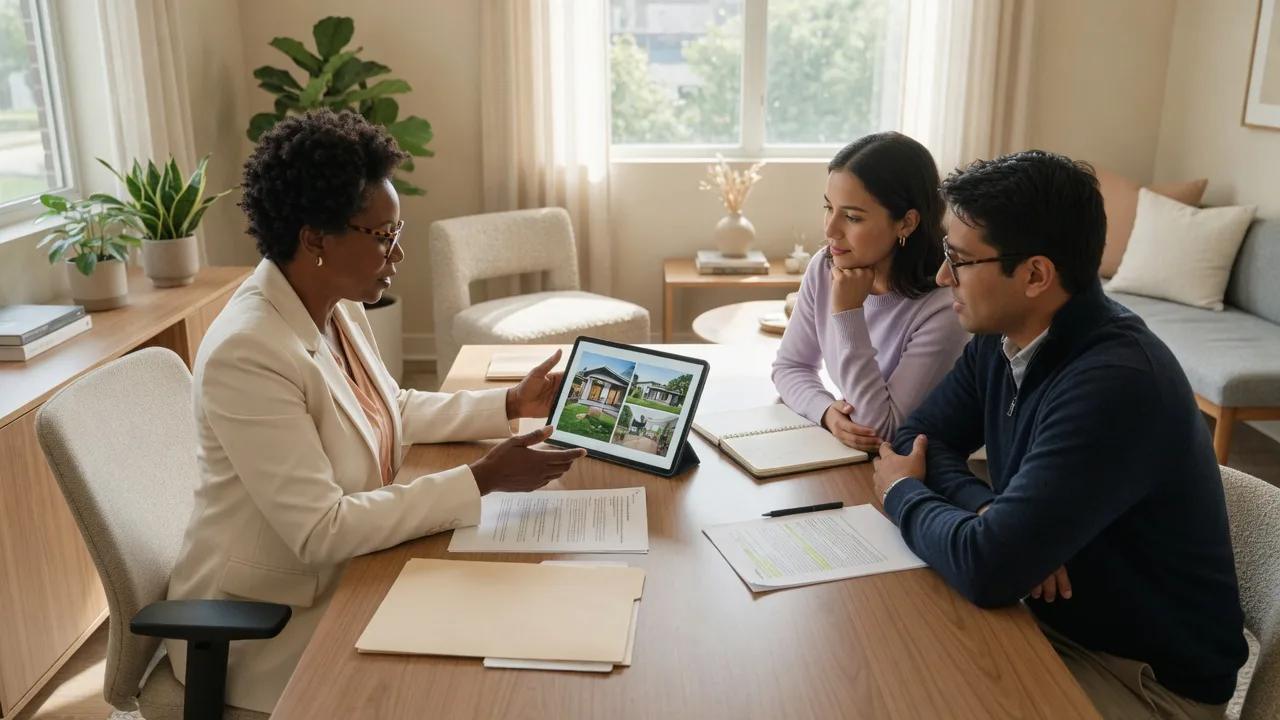
Here is a truth I have learned across 30 years in this business: the buyer consultation is where most agents lose the deal. Not on the showing. Not on the offer. Right there in the first sit-down meeting, before the client even decides if they trust you enough to show them houses.
I see it all the time. An agent gets a lead, jumps straight to pulling up listings, spends an hour driving around town looking at houses, and wonders why the buyer disappears or ends up working with someone else. What went wrong? The agent skipped the consultation. They never built the foundation. They never set expectations. And in 2026, with buyer-broker agreements now mandatory in most states and buyers more educated (and more skeptical) than ever, skipping the consultation is a deal-killer.
The buyer consultation is your one chance to demonstrate value, build trust, and set the stage for a smooth transaction before you ever step foot in a house. Done right, it converts more leads into clients, shortens the buying cycle, and virtually eliminates the awkward conversations about compensation later because you had them up front.
Here is the exact framework I use as a REALTOR® with Medway Realty and the one I teach every agent I coach.
What Is a Buyer Consultation and Why Does It Matter So Much in 2026?
A buyer consultation is not a showing. It is a structured meeting where you learn everything about the client's situation, educate them on the process, demonstrate your expertise, and mutually agree on how you will work together. It is a two-way interview. You are choosing them as much as they are choosing you.
In 2026, the buyer consultation has become more important than ever for three reasons. First, buyer-broker agreements are now required before you can perform substantive services in most states, meaning you cannot legally show homes without a signed agreement in place. Second, the NAR settlement changed compensation structures so that buyers may need to negotiate their agent's fee directly, and that conversation has to happen early. Third, buyers today have more information at their fingertips than ever before. What they cannot get from Zillow or Redfin is a trusted advisor who guides them through the emotional and logistical complexity of a home purchase. That is what the consultation delivers.
How Should You Prepare for a Buyer Consultation?
The consultation does not start when the buyer sits down in your office. It starts the moment they fill out your contact form. Here is how I prepare for every single consultation, whether the buyer is a first-timer or a seasoned investor.
Pre-Consultation Preparation Checklist
- Send a Pre-Meeting Packet: 48 hours before the consultation, email a personalized welcome packet that includes a brief questionnaire about their needs and timeline, a sample buyer-broker agreement (for review, not signature), a market snapshot of the area they are interested in, and a list of questions they should think about before we meet. This signals professionalism and gives them time to prepare.
- Research Your Buyers: Look up their social media profiles, check what they have been searching online, and review any notes from your initial conversation. If they came through a referral, call the referring client to ask what the buyers are looking for. Arrive knowing more about them than they expect.
- Prepare Your Materials: Print or have ready on your device: the buyer-broker agreement, a lender pre-qualification checklist, a market report for their target area, a sample purchase contract, your list of recommended service providers, and a clear outline of your services and how you get paid.
- Confirm Financing Readiness: Before the consultation, connect them with a trusted lender for pre-approval. Do not meet in person without knowing their price range and that they are qualified to buy. Nothing kills a buyer consultation faster than discovering mid-meeting that the numbers do not work.
What Is the HOMES Framework for Buyer Consultations?
The most effective buyer consultations follow a structure. I use what I call the HOMES framework, and it has helped me and the agents I coach convert at a much higher rate than a free-form conversation.
- H Hear Their Story The first 20 minutes are all about them. Ask open-ended questions. Why are they moving? What is their timeline? What is their budget? What have they already seen online? What is frustrating them about the search so far? Listen more than you talk. Take notes. This is where trust begins, and it happens because they feel heard, not because you impressed them with market data.
- O Outline the Process Walk them through exactly how the buying process works in your market. Explain the timeline from pre-approval to closing. Explain how offers work, how inspections go, how appraisal and financing play out. Most buyers, especially first-timers, are navigating this process for the first time. Your job is to make it feel predictable and manageable. When they know what is coming, they feel safe working with you.
- M Market Education Show them the current market conditions in their target area. Pull up recent comparable sales, days on market, inventory levels, and average sale-to-list price ratios. Explain what a competitive offer looks like in this market versus a balanced one. Buyers often have unrealistic expectations shaped by what they read online. Ground them in reality with data from your MLS. This step positions you as the expert.
- E Explain Your Value This is where you articulate what you bring to the table. Explain your experience, your negotiation skills, your network of lenders and inspectors and contractors, your marketing approach for their future home, and your post-closing support. Be specific. Do not say "I provide great service." Say "I send every client a personalized market update every month for the first year after closing, and I host an annual client appreciation event that generates referrals for you." Specificity sells.
- S Sign the Agreement Present the buyer-broker agreement with confidence. Explain it in plain language. Do not apologize for it. Say: "This agreement protects both of us. It ensures I am legally obligated to represent your best interests, and it clarifies exactly how I get paid so there are no surprises at closing. Let me walk you through it." Go through each section, answer every question, and then ask for the signature. If you have done the first four steps well, this step feels natural rather than forced.
How Do You Handle the Buyer-Broker Agreement Conversation?
I am not going to pretend the buyer-broker agreement conversation is easy. In 2026, with all the changes from the NAR settlement, buyers have heard things. They have read articles. They have friends who told them "agents are free now" or "you should not have to pay your agent." You need to be ready for that.
Here is how I handle it. I lead with transparency, not defensiveness. I say something like this: "You may have heard that real estate commissions changed recently. Let me be straightforward with you about how this works. In the past, the seller's listing included an offer of compensation to the buyer's agent. Today, that compensation is no longer listed on the MLS. What that means is we need to agree on my compensation directly. Here are the options for how I get paid, and here is what you get for that investment."
Then I show them. I list every single service I provide: searching and vetting properties, scheduling and accompanying showings, preparing and negotiating offers, coordinating inspections and appraisals, managing the contract through closing, handling post-closing follow-through. I quantify the value. If I save them $20,000 on the purchase price through negotiation, my fee is a fraction of that savings. The conversation becomes about value, not cost.
The agents who struggle with this conversation are the ones who have not practiced it. I recommend role-playing the buyer-broker agreement conversation with another agent or your coach until it feels natural. It should flow as easily as explaining how an offer works.
What Happens After the Consultation?
The work does not stop when the agreement is signed. The 48 hours after a consultation are the most critical window for lead conversion. Here is what I do:
- Send a Summary Email: Within two hours of the consultation, I send a personalized email recapping what we discussed, confirming their priorities, and outlining the next steps. This shows organization and locks the commitment while it is fresh.
- Set Up Automated Searches: I create a custom MLS search and set up automated email alerts that match their criteria. I walk them through how to use the portal and tell them to flag any property they like.
- Schedule the Next Touchpoint: I book our next check-in call or showing session before they leave. A client with a scheduled next step is a client who stays engaged.
- Connect Them with Partners: If they need a lender, an inspector, or a contractor, I send introductions within 24 hours. Fast introductions demonstrate your network and prove you can deliver.
- Enter Everything in Your CRM: Log their preferences, budget, timeline, and notes from the consultation into your CRM immediately. Tag them for automated follow-up sequences. If they go quiet for a week, your system should trigger a check-in, not your panic.
Why Do Most Agents Skip the Buyer Consultation?
I have thought about this a lot over the years. Most agents skip the consultation because they are afraid of rejection. They worry that if they ask for a commitment up front, the buyer will walk. So they try to build value by showing houses, hoping the relationship will develop naturally.
Here is what I have learned: showing houses without a consultation is like a doctor performing surgery before the diagnosis. You might get lucky occasionally, but most of the time you are setting yourself up for misaligned expectations, wasted time, and deals that fall apart. The buyer who walks because you asked them to sit through a consultation was never going to be a committed client. The buyer who stays is ready to work with you.
The buyer consultation is not a barrier to getting clients. It is a filter that ensures you spend your time on people who are serious, qualified, and aligned with how you do business. That is not just good for your conversion rate. It is good for your sanity.
Ready to Master Your Buyer Consultations?
Every agent I coach eventually tells me the same thing: once they started doing structured buyer consultations, their conversion rate went up and their frustration level went down. The consultation gives you control of the process. It positions you as a professional. And it ensures every client relationship starts on the right foot.
If you are struggling with converting buyer leads, or if you find yourself driving all over town showing homes to people who never commit, I would love to help you build a consultation system that works for your market. That is exactly what I do for the agents I coach.
Book a free strategy call with me and we will build a buyer consultation framework tailored to your business and your market. No fluff. Just practical systems that close more clients.
And if you want more strategies like this, explore our other blog articles on client relationships and business growth for agents.

Written by Kim Donahue
Kim Donahue is a REALTOR® with Medway Realty and a coach with 30+ years of experience across real estate, mortgage, and business ownership. She specializes in helping agents leverage structured systems, modern strategies, and proven frameworks to build stronger businesses and close more deals.
Learn more about Kim