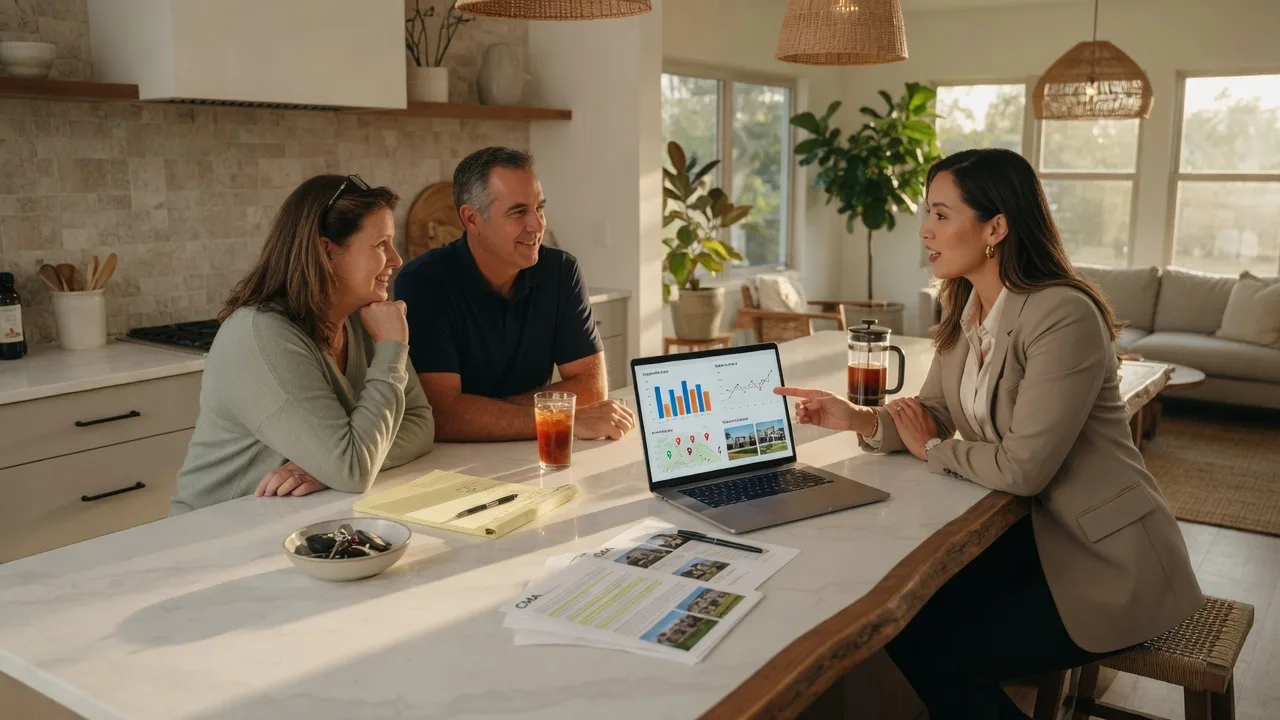
Over 30 years in this business, I've sat through hundreds of listing appointments. I've been the agent on the other side of the table, the broker mentoring agents through their first presentations, and the coach helping seasoned agents figure out why they're losing listings they should have won. And I can tell you this: the listing appointment is the single most important skill you can master as a real estate agent.
You can have the best CRM, the sharpest AI tools, and a social media strategy that would make the top 1% jealous. But if you can't walk into a seller's home and leave with a signed agreement, none of it generates a single dollar of commission.
What Do Most Agents Get Wrong About the Listing Appointment?
The biggest mistake I see is treating the listing appointment as a pitch instead of a consultation. Agents walk in, hand over a binder of glossy charts, talk about their marketing plan, and then ask for the listing. That approach works sometimes, but it leaves you competing on price and promises rather than on value and trust.
A listing appointment is not about convincing someone to list with you. It's about demonstrating that you understand their situation better than anyone else who will walk through their door. Sellers are not looking for a sales pitch. They are looking for someone who can solve their specific problem.
"I tell the agents I coach that the listing appointment starts long before you knock on the door," says Kim Donahue, a REALTOR® with Medway Realty. "It starts with the research you do, the questions you ask, and the confidence you bring from knowing you've prepared more thoroughly than any other agent they'll interview."
How Do You Prepare for a Listing Appointment Like a Pro?
Preparation is 80% of the outcome. When I ran my own brokerage, the agents who won the most listings weren't the best talkers. They were the best preparers. Here's exactly what preparation looks like for a listing appointment in 2026:
The Pre-Appointment Research Checklist
- Run a Comprehensive CMA: Pull 6 to 12 months of comparable sales. Don't just look at price per square foot. Adjust for condition, lot size, upgrades, location, and market timing. Include active and pending listings so the seller sees the full competitive landscape.
- Research the Home's History: Pull tax records, previous sale data, and any permit history. Know how much they paid, when they bought, and what improvements they've made. This information helps you speak intelligently about their equity position.
- Know the Neighborhood: Pull recent sales in the immediate area. Check school ratings, nearby amenities, and any upcoming developments that might affect property values. If you can talk about the neighborhood as knowledgeably as the home itself, you separate yourself from every other agent.
- Prepare Your Marketing Plan Specifically for This Home: Not a generic marketing brochure. A specific plan. Where will you market this particular property? What's the target buyer demographic? What video strategy will you use? Show them you've thought about their home, not just about getting a listing.
- Anticipate Objections: Before the appointment, write down the five most likely objections this seller will raise. Price? Commission? Timeline? Competition from other agents? Prepare your responses with data, not opinion.
Use AI tools like Claude to help you organize this research and draft your presentation materials. But never let AI replace your personal insight. The data is the foundation; your interpretation of it is what builds trust. For more on how to integrate AI into your workflow, check out How Real Estate Agents Should Use AI in 2026.
What Should the First 5 Minutes of a Listing Appointment Look Like?
The first five minutes set the tone for everything that follows. Most agents make the mistake of jumping straight into business. They sit down, open their laptop, and start talking about market data. That's a missed opportunity.
Here's my formula for the opening:
- Build rapport genuinely: Ask about the home itself. How long have they lived here? What will they miss most? What's their favorite memory in this space? These questions do two things: they build emotional connection, and they reveal what the seller values about the property. That information is gold when you're crafting a marketing narrative later.
- Set the agenda: "I'd like to spend the next 45 to 60 minutes walking through three things: understanding your goals, sharing what I've learned about the market and this home, and then talking about how I would market your property specifically. Does that sound good?" Setting a clear agenda shows you respect their time and have a plan.
- Ask the goal question: "If we're sitting here 60 days from now and this has been a great experience, what happened?" This open-ended question reveals their priorities — price, speed, convenience, certainty, or something else. Listen more than you talk in this phase.
How Do You Present a CMA That Actually Convinces Sellers?
A CMA presentation can make or break the appointment. Too many agents present data without context, and sellers latch onto the highest comparable and ignore everything else. Here's how to present a CMA that builds confidence in your pricing recommendation:
The 3-Phase CMA Presentation
- Phase 1 — The Market Context: Start broad. Show them what's happening in the overall market. Are interest rates stabilizing? Is inventory rising or falling? What's the average days on market? This establishes you as someone who understands the bigger picture, not just their street.
- Phase 2 — The Comparables: Walk through each comparable one at a time. Explain why each one is relevant or why you're adjusting the price. Be transparent about condition differences. "This one sold for $650,000, but it had a renovated kitchen and you have the original 2005 finishes, so we're adjusting down by $15,000." This transparency builds trust.
- Phase 3 — The Pricing Recommendation: Present your recommended price range, not just one number. Explain what changes at each price point. "At $495,000, we should see strong showing traffic within the first week. At $515,000, we reduce our buyer pool by about 30% based on current market data. Here are the tradeoffs." Let them feel like they're making an informed decision, not being told what to do.
The goal is not to get them to agree with your price immediately. The goal is to help them understand why you're recommending that price. When a seller understands your reasoning, they trust your judgment. And trust is what wins listings.
How Should You Present Your Marketing Plan?
Many agents treat the marketing plan as a list of features. "I syndicate to 40 websites. I use professional photography. I hold open houses." Every agent says this. What differentiates you is how you connect your marketing to their specific home and their specific goals.
When I present my marketing approach, I don't just tell them what I'll do. I tell them why it matters for their home. Here's the framework:
- Visual Strategy: "For this home, the natural light in the living room and the waterfront view are your biggest selling features. I'm going to schedule photography at 4 p.m. when the light hits this room perfectly, and I'll shoot a short video that opens with the view to hook buyers immediately." Specific, visual, personal.
- Digital Promotion: "I'll target buyers who are already looking in this neighborhood and within your price range through Instagram and Facebook ads. I'll also create a dedicated YouTube tour focused on this street and the nearby schools, since your buyer demographic is likely families."
- Agent Outreach: "I'll personally reach out to the top 20 buyer's agents who have closed deals in this area in the last six months. I'll invite them to a broker open house and make sure they know exactly what makes this property unique."
- Communication Plan: "You'll get a weekly update from me every Monday with showing statistics, feedback from showing agents, and market changes. You'll never have to wonder what's happening with your listing."
How Do You Handle the Most Common Listing Appointment Objections?
Objections are not rejections. They're requests for more information. Every listing appointment will include objections, and the agents who handle them well are the ones who leave with signed agreements. Here are the most common ones and how to address them:
"We're interviewing other agents."
Good. You should interview other agents. Here's how I handle this: "I'd encourage you to interview at least two other agents. You should feel confident that you've made the right choice. When you compare us, I'd ask three things. Number one, ask each agent for the specific data behind their price recommendation, not just the number. Number two, ask for a marketing plan that's written specifically for your home, not a template. And number three, ask how they communicate with sellers during the listing period. Compare those answers and see who gives you the most substance."
This approach does two things. It shows confidence in your own preparation. And it subtly teaches the seller what criteria to use when comparing agents. Most agents will hand them generic materials. You'll be the one who prepared specifically for them.
"We think it's worth more than your price."
Never dismiss this objection. Validate it first. "You know your home better than anyone, and I respect that. Let me show you why I arrived at this number." Then walk through your CMA again, focusing on the data points that support your recommendation. Use the sold properties as anchors, not the active listings. Remember: active listings are what sellers hope to get. Sold properties are what buyers actually paid.
If they still disagree, I offer a compromise: "Let's list at your price for the first two weeks. If we don't see the showing traffic we expected, we adjust. But I want you to know that pricing above market means we risk missing the critical first two weeks when buyer activity is highest."
"Your commission is too high."
This is where your value demonstration determines the outcome. Never discount your commission without first demonstrating your value. Walk through what you've already prepared: the specific marketing plan, the market analysis, the agent outreach, the communication system. Then say: "I understand that every dollar matters. Here's what my fee covers that other agents may not offer. If you find an agent who can deliver the same level of preparation, marketing, and communication for less, you should absolutely consider them. But I would encourage you to compare the substance, not just the number."
How Do You Close the Listing Appointment?
The close doesn't have to be dramatic or high-pressure. In fact, the best closes are quiet and conversational. Here's my approach:
- Summarize what you've heard: "Based on what you've shared today, your priority is selling within 60 days at the best possible price, with minimal disruption to your family's schedule. Here's how my plan addresses each of those priorities."
- Ask for the business directly: "I would love the opportunity to work with you on this. Based on everything we've discussed, are you ready to move forward?" Then stop talking. The next person who speaks loses.
- If they're not ready, set a timeline: "I understand this is a big decision. When would you like to make your choice? I'll circle back with you on [specific date] unless I hear from you before then." Never leave the ball in your court without a follow-up plan.
What Should You Do After the Appointment?
The work doesn't end when you walk out the door. Here's your post-appointment follow-up system:
- Send a thank-you note within 2 hours. Email is fine. A handwritten card is better. Reference something specific from your conversation to show you were truly listening.
- Summarize your key points in writing. Send a one-page recap of your pricing recommendation, marketing plan, and next steps. This makes it easy for them to compare you against other agents.
- Stay top of mind without being pushy. Share a relevant market update or a new comparable that supports your pricing. Send it with a simple note: "Thought this might be useful for your decision."
- Follow up when you said you would. If you told them you'd call on Wednesday at 3 p.m., call at 3 p.m. Reliability is the foundation of trust.
The Bottom Line
Winning listing appointments is not about being the best talker or having the flashiest presentation. It's about preparation, listening, and demonstrating value in a way that's specific to each seller's situation. The agents who win consistently are the ones who do the work before the appointment, listen more than they talk during it, and follow up with intention after it.
Master the listing appointment, and you'll never have to worry about where your next deal is coming from.
Want to sharpen your listing presentation skills with personalized coaching? Book a free strategy call with Kim Donahue and let's build a listing system that wins more appointments in your market.

Written by Kim Donahue
Kim Donahue is a REALTOR® with Medway Realty and a coach with 30+ years of experience across real estate, mortgage, and business ownership. She specializes in helping agents leverage AI, marketing, and modern strategies to build stronger businesses.
Learn more about Kim