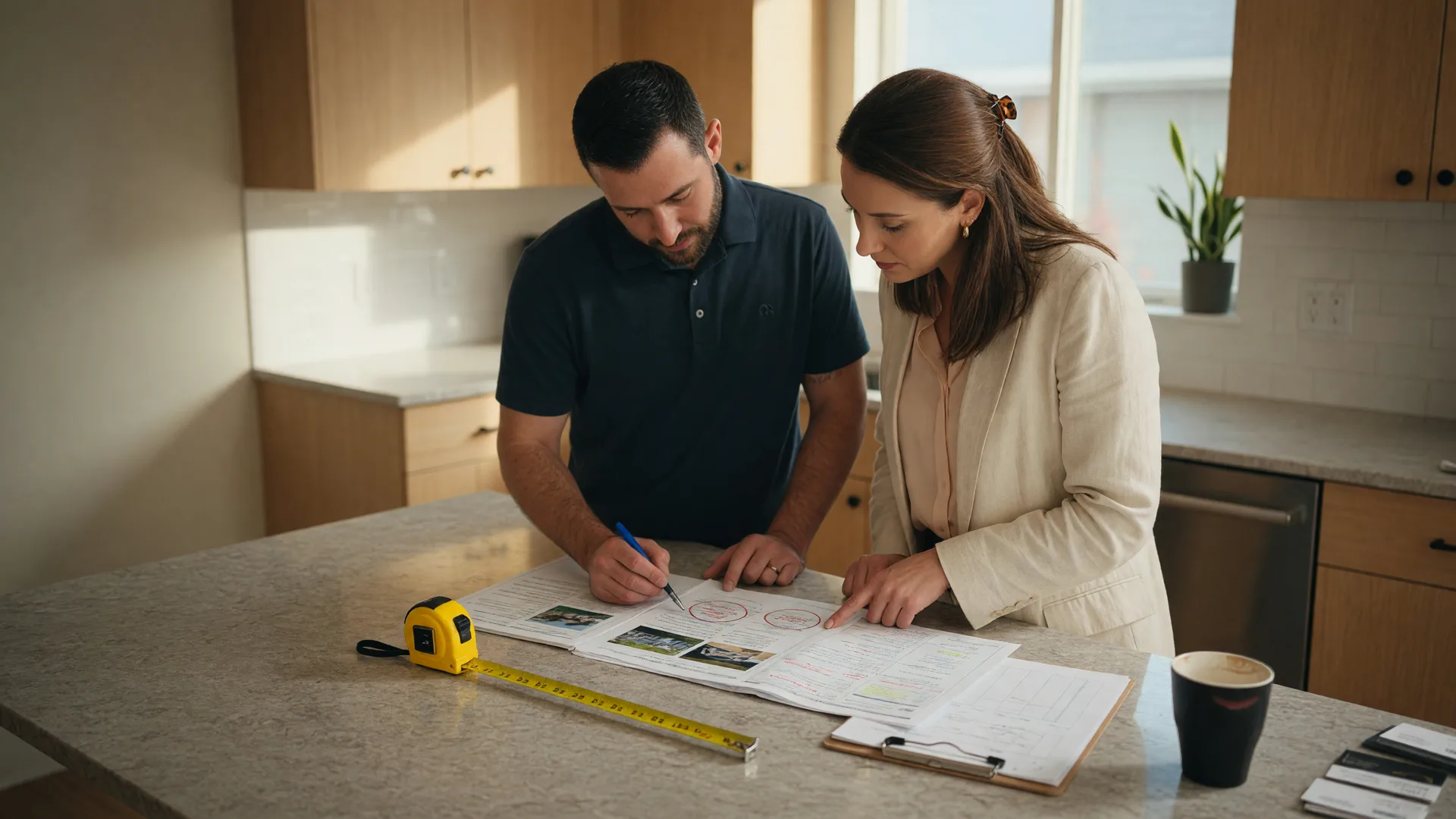
Few moments in a transaction feel more fragile than the inspection report landing in your inbox. The findings are long, the client is nervous, and the other side is bracing for demands. But experience teaches a simple truth: almost every inspection can be negotiated to a close that everyone can live with. In 30 years across real estate, mortgage, and running my own brokerage, I've guided thousands of these conversations. Here's the system.
How Common Are Inspection Repair Negotiations in 2026?
More common than most agents expect, and more consequential than ever. Around 86% of home inspections turn up something that needs repair, and roughly 83% of buyers use the inspection report as a negotiating tool. In today's market, more buyers are asking for fixes: only about 17% of buyers waived the inspection contingency in mid-2026, down sharply from a year earlier.
The stakes are real. Inspection and repair issues are the leading cause of deals falling out of contract, and around 22% of weekly home-sale transactions were stalling at the inspection stage this spring. That means the few agents who handle this phase well stand out dramatically, close more, and earn clients for life.
How Do You Read an Inspection Report Like a Seasoned Agent?
The #1 mistake new agents make is treating every line of a long report with equal weight. A competent report lists dozens of observations, most of them cosmetic or routine. If you forward the whole thing as a demand list, you kill the deal. Instead, sort everything into three buckets:
How to Triage an Inspection Report
- Material and safety issues: roof age and active leaks, electrical and structural problems, mold or water intrusion, HVAC and major systems on their last legs. These are the items worth negotiating, and for buyers' agents they're the ones any lender or insurer will care about.
- Routine maintenance: a slow drain, a loose railing, a missing attic staple, a flaky caulk line. These are normal homeownership upkeep, not negotiation currency. Leading with them makes you look unreasonable and wastes the goodwill you need for the big items.
- Disclosure and "observed" notes: items the inspector flagged as needing further evaluation or that align with the seller's disclosure. Treat these as informational, and decide whether they actually change value before turning them into demands.
Kim Donahue, a REALTOR® with Medway Realty and a coach with 30+ years across real estate, mortgage, and business ownership, puts it plainly: "A listing appointment and an inspection are the two moments where an agent builds or loses their reputation. At inspection, the agent who stays calm, prioritizes, and keeps the deal together is worth their weight in gold. The agent who turns a 40-item report into a 40-item demand loses the house for their buyer and the transaction for their seller."
How Do Real Estate Agents Frame a Repair Request That Sellers Actually Accept?
The most effective repair requests are short, prioritized, and backed by numbers. Here's the structure that works:
- Lead with the top three to five items. Safety, structural, and major-system issues only. Everything else can be mentioned as "minor items we're confident you'll address in the ordinary course." You protect the relationship and focus the negotiation.
- Attach real contractor quotes or cost benchmarks. Getting two or more written estimates for big-ticket items turns a guess into a documented number. Sellers (and their agents) respond to evidence, not feelings.
- Offer clear resolution options. For each material item, present three paths: the seller completes the repair with a licensed contractor, the seller issues a repair credit, or there's a price reduction. Giving the other side a choice keeps them at the table instead of digging in.
- Default to a closing-cost credit for most items. A negotiated credit that the buyer controls avoids the scheduling delays and argument about quality that come with seller-performed repairs. The main exception is life-safety and lender-required items, which usually need to be properly completed and documented.
- Keep the tone professional and solution-oriented. This is a business negotiation between reasonable adults, not a grievance. The moment it becomes personal, deals die.
For the seller's side, flip the mirror: identify which requested items are legitimate and which are cosmetic chipping, get your own quotes, and offer credits on the items that genuinely matter so you keep the buyer committed. A buyer who walks away because minor items were denied is a deal you didn't have to lose.
How Much Money Are Inspection Repairs Worth Negotiating For?
Realistic expectations keep negotiations honest. On typical resales, buyers and sellers negotiate somewhere in the range of a few thousand to over ten thousand dollars in repair credits, depending on the property and market. Buyers who negotiate the inspection successfully often save around $14,000 on average across price, credits, and concessions, though most repair-specific negotiations land in a far tighter band.
The point isn't to chase an average. It's to price each request from actual quotes and to weigh the cost of losing the deal against the cost of solving the issue. A $2,000 credit that keeps a $400,000 transaction together is cheap. Demanding $2,000 over a cosmetic item and watching the buyer walk is expensive. These are the negotiation fundamentals every agent should master.
What Should You Do When an Inspection Negotiation Reaches a Standoff?
Even with a calm, prioritized approach, you'll occasionally hit a genuine impasse. Here's how to find the path through it:
- Get expert opinions on the contested items. A roof, HVAC, or foundation contractor's written assessment can settle what no amount of back-and-forth will. Paying a small fee for a specialist quote is often the cheapest way out of a standoff.
- Split the difference on the truly gray items. For items that fall between "minor" and "material," meet in the middle. A half-credit on a questionable item reads as fair and keeps momentum.
- Expand what's negotiable beyond the repair itself. Sometimes the way out is a different concession: a later or earlier closing date, leaving appliances, waiving a smaller item in exchange for the big one, or a slightly different credit structure that works better for the seller's cash position.
- Remind both clients of the bigger picture. A well-priced, inspected home that closes is worth more than a perfect theoretical deal that collapses. Help each side see what they'd lose. Creative deal structuring often provides the answer.
- Know when to hold firm. On genuine safety or structural defects, don't fold. Protecting a buyer from a serious issue or a seller from an unreasonable demand is exactly what the fee is for. Done respectfully, holding firm on a real issue rarely kills a good deal.
Your Inspection Negotiation Checklist for the Next Transaction
Save this short checklist and run it every time a report lands:
- Within 24 hours: Read the full report and triage into material, maintenance, and disclosure buckets. Confirm what the buyer's lender and insurer will require on top of your list.
- Within 48 hours: Get at least two contractor quotes for every big-ticket item so your requests carry real numbers.
- Draft the request: Three to five prioritized items, each with documented costs and three resolution options, defaulting to credits except on safety and lending items.
- Set a deadline: Give the seller a reasonable window to respond so the negotiation can't drift and stall the closing.
- Communicate throughout: Keep both your client and the other side informed in writing, and never let the other side (or your client) hear about a request secondhand.
- Document the outcome: Get any agreed credits and repairs in writing in the amendment, and follow up after closing that seller-completed repairs were done right.
The Bottom Line
Inspection negotiations aren't about winning every line item. They're about protecting your client's interests while keeping the transaction alive through the riskiest phase of the deal. Sort the report, back your requests with numbers, offer workable choices, and keep the tone professional. Agents who master this phase close more deals, earn fiercely loyal clients, and build a reputation the market notices.
If you want to sharpen your negotiation skills and build a full transaction playbook, explore Kim's coaching programs, or book a free strategy call with Kim Donahue to work through your hardest negotiation moments.

Written by Kim Donahue
Kim Donahue is a REALTOR® with Medway Realty and a coach with 30+ years of experience across real estate, mortgage, and business ownership. She specializes in helping agents master negotiation, client service, and modern strategies to build stronger businesses.
Learn more about Kim