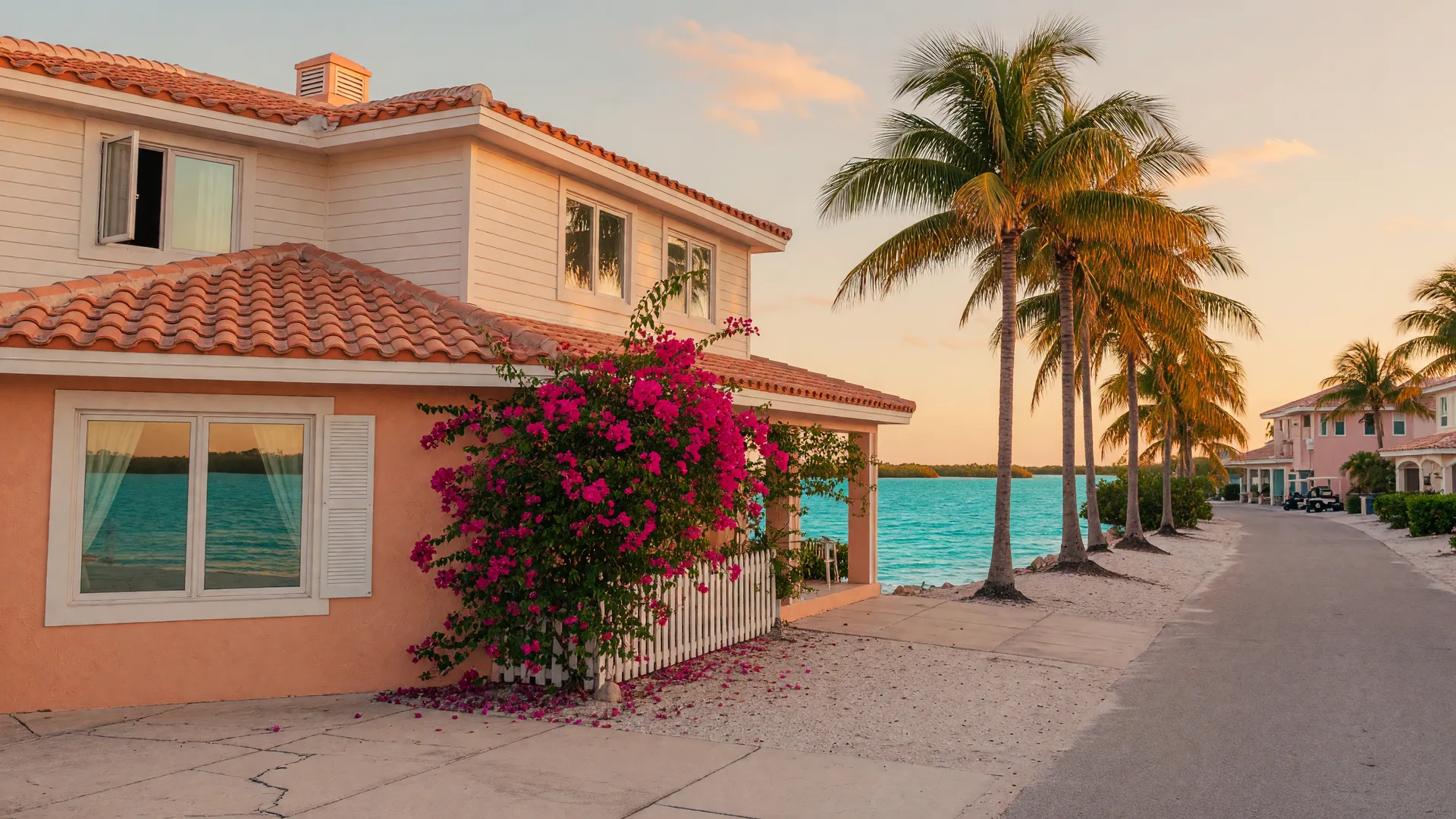
The buyers who flooded Florida during the pandemic years are not back in the same numbers, but the ones coming now are more serious, better funded, and more researched than ever. In 2026 the second-home and relocation buyer is a different animal: they are planning a future primary home, they have been watching the market from a thousand miles away, and they expect you to handle the transaction remotely with concierge-level care. I serve Sarasota, Manatee, and Charlotte Counties, where out-of-state buyers are the backbone of the market. This is the system that wins them, nurtures them, and turns them into referrals.
What Is Happening with the Second-Home Market in 2026?
Demand for vacation and second homes cooled hard after the pandemic peak, and the buyers who remain are picky because they can afford to be. Vacation homes have accounted for roughly 5 to 8 percent of all home purchases in recent years, and nationally the inventory of homes for sale rose about a third year over year in 2025. That is a challenge for agents who never updated their approach.
Florida is still the destination. Vacation homes make up about 7.8 percent of the state's housing stock, among the highest shares in the country, and in my own backyard the market is clearly buyer-friendly: Sarasota and Manatee county median prices are down roughly 8 to 15 percent from the 2022 peak, inventory sits at five to seven months, and homes are taking 74 to 90 days to sell with real room to negotiate. For an agent, that means the second-home buyer who used to get outbid at open houses is now an engaged, leverage-holding client who is actually reachable.
Why Are Out-of-State Buyers Still Moving to Sarasota in 2026?
The wave has slowed, but the flow is steady and well documented. Roughly 574,000 Americans moved into Florida from other states in 2024, with tens of thousands of additional international arrivals on top, and Florida still leads the nation in in-migration even after the post-pandemic cool-down. The local numbers tell the story better: Sarasota County's driver license exchange data for 2025 shows New York as the clear top feeder state, around 1,400 new residents, followed by Illinois, New Jersey, Pennsylvania, and Massachusetts, and Manatee County likewise drew 1,000-plus new residents from New York alone. Add 2,000-plus new Sarasota-area residents from U.S. territories and abroad.
Understand why they come and you will know how to serve them. Some are planning retirement and want the home they can grow old in. Some are remote workers buying a place that can double as a future primary residence. Some are coming home to family. Nearly all of them are comparing Florida against a different reality: steep state income taxes, cold winters, and expensive real estate back home. Their "why Sarasota" is financial and emotional at once, and the agent who speaks to both wins the business.
What Do Second-Home and Relocation Buyers Worry About Most in 2026?
These buyers do not ask the same questions your local move-up buyers ask. The top concerns in 2026 are insurance, total cost of ownership, and the reality of owning from afar. Insurance costs in Florida have stabilized but still scare out-of-state buyers, so have real premium numbers ready, know the flood zone lines, and be honest about what a waterfront home really costs to carry. They will also ask about HOA and condo fees, property taxes, hurricane preparation, and whether the home can generate short-term rental income.
Here is the 2026 twist: a second-home buyer is now a total-cost-of-ownership buyer. They show up with spreadsheets, they have compared three markets before calling you, and they will test whether you actually know the numbers. The agents who win in destination markets are the ones who answer the insurance question and the rental question before they are asked. That preparation is what separates you from the agent who only knows days on market.
How Do You Build the Funnel That Brings Destination Buyers to You?
Out-of-state buyers do not meet you at networking events, they meet you in search results and on video. Publish content that answers the exact questions they type: "moving to Sarasota from New York," "best Sarasota neighborhoods for retirement," "how much is homeowners insurance on a Florida condo." A monthly market update and a neighborhood tour on YouTube or Instagram is worth more to a Michigan buyer than a billboard, because they can watch ten of your videos and decide, from 1,300 miles away, whether they trust you. My agent coaching content is built around this same idea: your video content is your first listing appointment.
Then qualify like a pro, because not every inquiry can afford the flight. I use three questions on the first call: what is your timeline, how are you paying for this, and how often can you get here in the next 90 days. Cash buyers and pre-approved buyers with a visit planned are your real prospects. Everyone else goes into a nurture system with fresh market updates every month, so when the timeline firms up, you are the agent they already know.
How Do You Serve a Buyer Who Is 1,000 Miles Away?
Remote buyers judge you on speed, video, and follow-through, in that order. When a New York buyer texts at 9 p.m. their time, that is 9 p.m. your time too, so respond in minutes, not mornings. Use recorded walkthroughs and live video calls for showings they cannot attend, and save every video in the transaction file so their spouse, their sister, and their attorney can all tour the house from their own couches. Digital document platforms already handle the paperwork, so your job is to make the process feel as smooth as if they lived down the street. Buyers show up better researched than ever in 2026, which means the agent who answers faster and explains more clearly is the one who gets the signature.
Build a small local army for them: a lender who closes remotely, an inspector who does virtual walk-throughs, an insurance agent who quotes before they ask, a mover, a property manager, and a handyman. Send a "moving to Sarasota" guide before they arrive, meet them at the airport, and have the fridge stocked. That is the white-glove, concierge-level standard I built my career on with Medway Realty, and it is exactly what a relocation buyer repeats to their neighbors back home.
How Do You Turn Remote Buyers into Your Best Referral Engine?
Closing day for a relocation buyer is emotional in a way local buyers never feel: they just left a life somewhere else and handed you the keys to their next chapter. That moment earns you the right to stay in touch. Call them in the first week after closing, not to sell, but to make sure the utilities are on, the locks work, and the garage door opener matches the car. Then keep a post-closing nurture rhythm going: a first-anniversary note, a birthday card, a market snapshot every six months.
Ask for referrals in month two, not at closing. Their college friends in New Jersey, their cousins in Illinois, and their old coworkers in Massachusetts are all watching the same Florida sunsets from afar, and every one of them will eventually ask the person who already moved. The buyer you served remotely is the highest-quality referral source a destination-market agent can build, because their entire network is back in the exact states still feeding your market.
The Bottom Line
Destination markets in 2026 reward the prepared. Understand that second-home demand has cooled and buyers now hold the leverage. Know your insurance numbers, your rental math, and your flood zones cold. Reach out-of-state buyers through video and search content, qualify by timeline and financing, serve them from a thousand miles away at white-glove speed, and turn every closing into a referral engine back in their home state. If you want to build a destination-buyer system for your own market, that is exactly the kind of work we do in my coaching programs. Reach me through the contact page, call or text 941-724-2587, or book time with me directly at my scheduling link.

Written by Kim Donahue
Kim Donahue is a REALTOR® with Medway Realty serving Sarasota, Manatee, and Charlotte Counties, and a coach with 30+ years of experience across real estate, mortgage, transaction management, and business ownership. She works with out-of-state buyers relocating and buying second homes in the Sarasota area every week, and she coaches agents on the systems that win them. Email her at kim@kimdonahue.com or call 941-724-2587.
Learn more about Kim